Skip to content

AI that understands your money, privately.

Your records stay yours. No bank connection.

Learn more

move · open · Esc close Searched in your browser

Money Copilot AI Blog

Money guidance that is clear, practical, and useful.

Learn how to track expenses, build a budget you can keep, and use AI to understand your money without giving up control of your data.

A glass jar filling with coins, a small plant growing beside it
Privacy first

Explore

Guides for your next money decision

Short reads. Practical next steps.

A hand adding one more coin to three small stacks on a table
Private by design. Useful answers without giving up control.
An open grid notebook and a pen on a dark desk

Build a budget from the spending you already have

A realistic plan starts with observed habits, not ideal numbers.

Read article
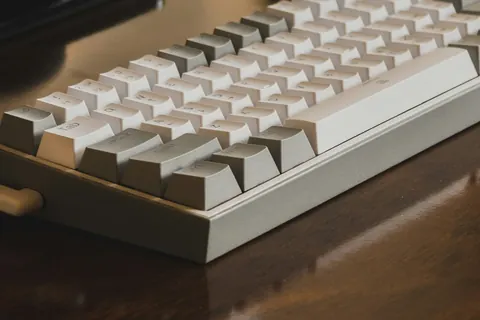
A keyboard on a wooden desk in evening light

Review spending with ChatGPT or Claude

Connect the assistant you already use to your private finance tools.

Read article
A padlock and chain holding a gate shut

What privacy-first expense tracking looks like

Understand what is stored, what is optional, and what stays yours.

Read article
Patch cables running in rows between lit ports

Why MCP matters for a personal finance assistant

See how a standard connection lets AI clients use focused money tools.

Read article
Great coffee deserves a smarter budget: a latte beside Money Copilot AI showing a monthly coffee and cafe total

How much do you spend on coffee?

A habit worth keeping is still worth counting. Here is the honest arithmetic.

Read article
The dated grid of a desk calendar

Make recurring expenses visible

Small repeat charges are easier to act on when they share one view.

Read article
Friendly Money Copilot guide beside a personal finance card

Meet Manny, your Money Copilot guide

Learn where Manny appears and how it helps you move from question to action.

Read article
A glass jar of coins with a small plant growing beside it

How to save money consistently

A few repeatable decisions save more than a stricter month ever will.

Read article
Coins stacked one at a time on a table

Personal finance habits that stick

Small habits that survive a busy week are the ones that change the total.

Read article
A grid notebook and pen laid out for a monthly review

Build a monthly plan you can keep

Fewer categories, targets you can defend, and one short review each week.

Read article

Money basics

Two habits worth keeping

01

Budgeting basics: start with what you spend

A budget becomes useful when it reflects the life you actually live. Review a recent month, group expenses into a few clear categories, and choose one category to adjust.

  1. Observe: record spending without judging it.
  2. Group: use categories you understand at a glance.
  3. Adjust: change one target and review it next week.
02

Recurring expenses: find the quiet budget leaks

Subscriptions and repeat bills are easy to overlook because no single charge feels large. Put them in one list, add the monthly total, then decide what still earns its place.

  1. List: include monthly and annual renewals.
  2. Compare: check usage against the real cost.
  3. Act: cancel, downgrade, or set a review reminder.

Put the ideas to work

Ask your money a better question.

Start free, add an expense, and turn everyday spending into useful answers.

Get Started Free